15 May 2026 · 2 min read
Signs a tree on your Auckland property needs to come down
Not every unhealthy tree needs to be removed, but some do. Here are the warning signs North Shore homeowners should watch for, and what to do if you're not sure.
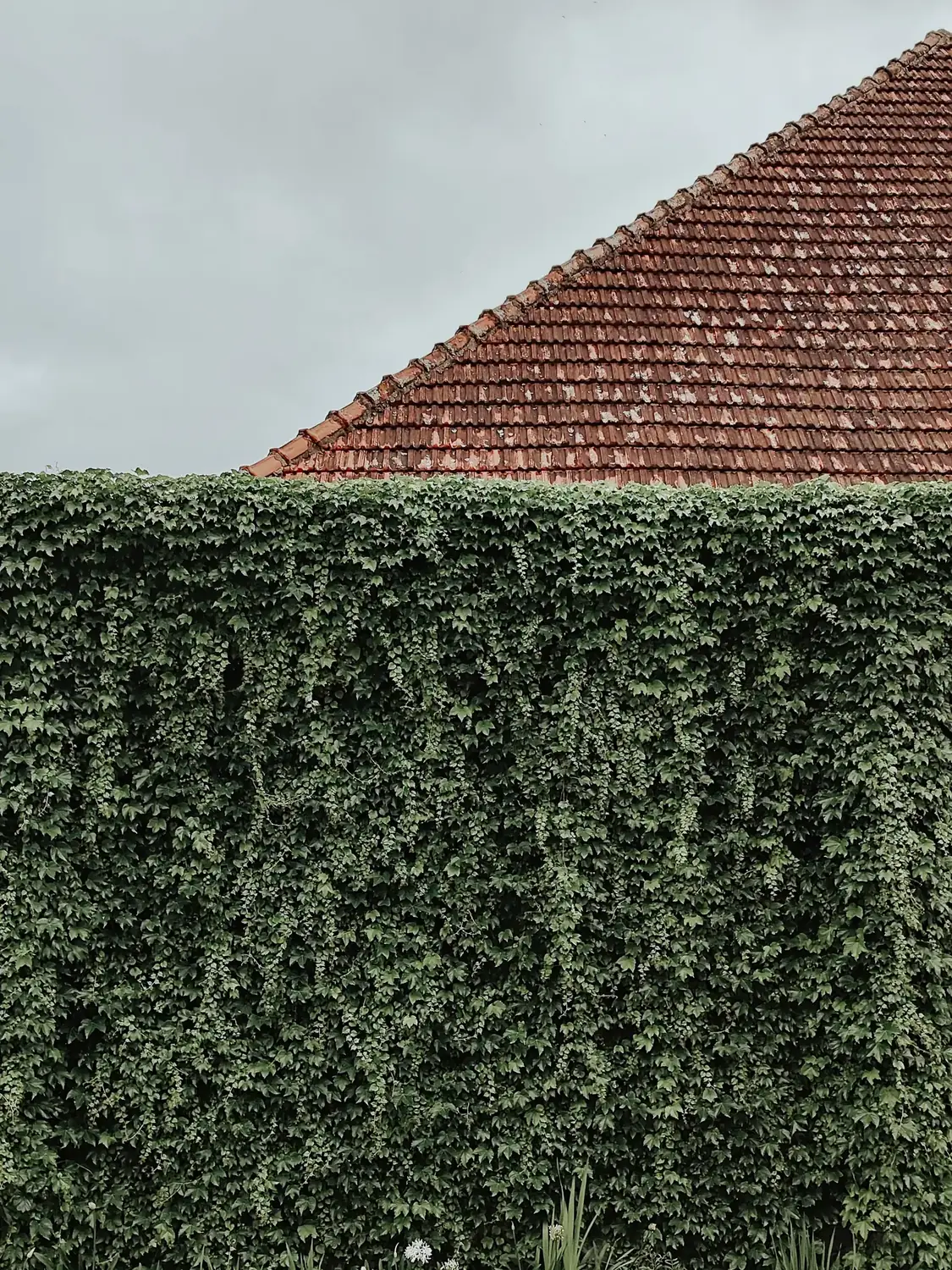
Trees add real value to Auckland properties, shade, privacy, beauty, and habitat. But some trees reach a point where they become a liability rather than an asset. Knowing the warning signs can save you from a much bigger problem down the track.
1. Dead or dying branches in the upper canopy
A few dead branches are normal and can usually be pruned out. But if the upper crown is showing widespread dieback, bare branches in summer, no leafing out in spring, the tree may be in serious decline. Dead wood falls without warning, especially in Auckland's occasional strong winds.
2. Significant lean that's getting worse
Many trees grow with a slight lean and are perfectly stable. But if a tree has started leaning toward your house, a neighbouring property, or a path, and the lean has increased, it's time to get it assessed. Look for soil heaving at the base, which can indicate root system failure.
3. Damage at the base or root zone
Fungal growth (particularly mushrooms or brackets) at the base of a tree is a serious warning sign. It often indicates internal rot that isn't visible from the outside. Similarly, deep cracks in the trunk, cavities, or sections of bark falling away can signal structural weakness.
4. Root conflict with structures
Tree roots don't break pipes or foundations out of malice, they follow water and space. But by the time a root has lifted your driveway or entered a pipe, the conflict is real. In these cases, removal is often more cost-effective than continued battle with the root system.
5. The tree is dead
A dead tree should be removed promptly. It dries out, becomes brittle, and can come down unpredictably, often in the high winds that periodically hit the North Shore.
What to do
If you're seeing any of these signs, the right first step is an assessment, not necessarily immediate removal. Many trees can be made safe through targeted pruning, bracing, or cabling. Phil at Everyday Trees can assess your trees and give you an honest recommendation. If removal is the right call, he handles it safely with full clean-up included.
For large trees or those near power lines or structures, don't wait. Get a quote early, the more preparation time, the safer and more cost-effective the job.
Want Phil to take a look?
Free, honest advice on your trees and hedges, from the person who will do the work.
Get a free quote